

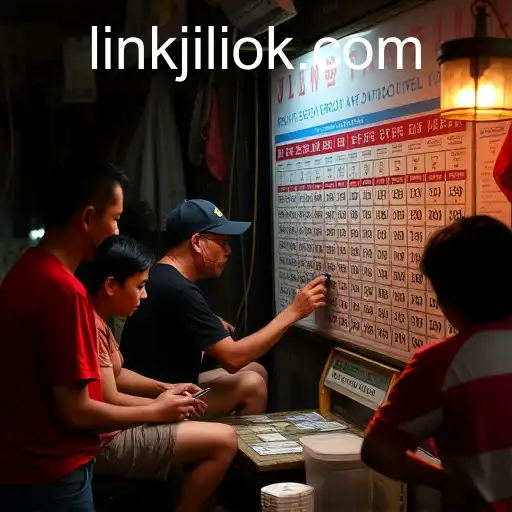

Jueteng is a widely recognized numbers game in the Philippines, largely operating outside legal boundaries. Despite its illegal status, the game has embedded itself deeply into the cultural and socio-economic fabric of Filipino communities. Originating during the Spanish colonial era, it has persisted through time, evolving with the country's shifting landscapes.
In essence, Jueteng is a game of chance that involves bettors wagering on the outcome of a number draw. Typically, the game uses the jueteng board, which features numbers from one to 37. Players pick two numbers, and if both are drawn, they win substantial prizes relative to their bet size. Jueteng's enduring appeal lies in its promise of quick financial gain, particularly among lower-income households seeking economic relief.
The term "Jiliok" has increasingly become associated with Jueteng, representing the intricate network of individuals who facilitate the game's operation. While not traditionally linked, the slang term has evolved to capture the essence of those who engage directly in managing and running these gambling activities.
Jiliok involves more than just placing bets; it encompasses the roles of collectors, managers, and financiers — each a cog in the complex machinery keeping Jueteng operational. Collectors, often called "kubrador," roam neighborhoods to gather wagers and distribute winnings. Managers, or "cobradores," ensure the smooth conduct of operations, while financiers, dubbed "capitalists," provide the necessary funds to run these illicit enterprises.
The enduring prevalence of Jueteng highlights significant economic implications. For one, it underscores the persistent demand for informal income opportunities in economically disadvantaged communities. Jueteng often becomes a household economic strategy, where winning numbers can mean a temporary reprieve from financial hardships.
Moreover, Jueteng has created a full-fledged underground economy, reinforcing the socio-economic divides within Filipino society. Those involved in Jiliok often rely on the game for livelihoods, facilitating a shadow financial system that thrives despite its illegality.
Political factors also exacerbate Jueteng's persistence, with many local officials turning a blind eye in exchange for a share of profits or political support. This symbiotic relationship between operators and politicians entrenches Jueteng in the political arena, further complicating efforts to eradicate it entirely.
Efforts to eliminate Jueteng have faced significant challenges, primarily due to its entwinement with local economies and politics. The game provides income for thousands and bankrolls political campaigns, resulting in a lack of motivation for decisive action against it.
Law enforcement efforts have yielded mixed results, often hindered by corruption within police ranks. Despite periodic crackdowns and arrests, the entrenched nature of Jueteng ensures that dismantling its structure is akin to a game of whack-a-mole; as soon as one operation is closed, another surfaces elsewhere.
Modern technology poses both a challenge and an opportunity for those involved in Jueteng. The advent of mobile phones and computers has enabled operators to streamline operations, discreetly collect bets, and expand their reach significantly beyond geographic limitations. Conversely, these advances also empower authorities with new tools to track and intervene in operations, applying digital strategies to curb illegal activities.
Despite these technological conflicts, Jueteng's core principles remain largely traditional, rooted in community connections and personal interactions.
Jueteng, intertwined with the concept of Jiliok, presents a complex challenge not only for law enforcement but for societal norms and economies in the Philippines. Its eventual obsolescence requires a multifaceted approach, addressing underlying socio-economic needs while dismantling the entrenched networks that sustain it. Until such solutions manifest, Jueteng's shadow persists, drawing both criticism and reluctant acceptance as a fixture of Filipino life.

Discover TheRichMan, an engaging board game that challenges players with its strategic gameplay. Learn about its introduction, rules, and current relevance.

Explore the enchanting universe of LordGanesha, a captivating game that blends mythology and strategy. Learn about its unique features, gameplay, and rules, as well as its relevance in today's ever-evolving gaming landscape.

Explore KingKongShake, a thrilling new game that captivates players with its unique challenges and immersive gameplay.

Explore the dynamic world of RoosterRumble, a captivating game that combines strategy and excitement. Learn about its features, introduction, and rules in this detailed exploration.

Explore the fascinating realm of PandaPanda and discover the excitement of weaving 'jiliok' into your gaming experience.

Delve into the thrilling realm of LuckyBatsM, a captivating game that combines chance and strategy, navigating through its rules, features, and its relevance in today's gaming world.
